Healthy Meal Prep Made Easy for Beginners

Getting started with healthy meal prep can feel like a big task, especially if you are busy, tired after work, …
One reason meal prep helps so many people is that it removes daily stress. Instead of standing in front of the fridge wondering what to cook, you already have a plan. That can save time, reduce food waste, and make it easier to choose balanced meals. When healthy options are ready to go, it becomes much easier to stay consistent, even on busy days.
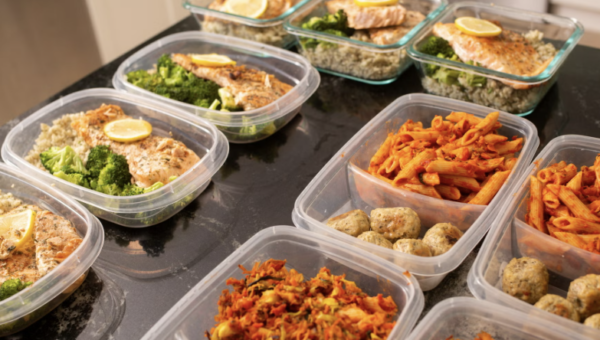
The first step is to let go of the idea that every meal must look perfect. Beginners often think meal prep means creating seven identical meals in neat boxes. It can look like that, but it does not have to. Meal prep can be as simple as washing fruit, cooking rice, grilling chicken, and storing a few ready-to-use ingredients for the next few days. It is more about making your week easier than making everything look impressive.
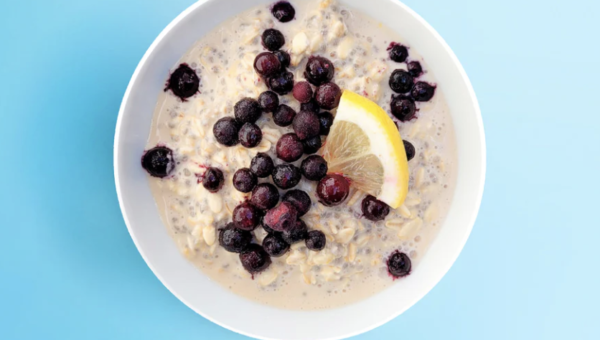
A smart way to begin is by choosing just two or three meals to prepare in advance. You do not need to prep breakfast, lunch, dinner, and snacks all at once. Start with the meals that usually give you the most trouble. If lunch is the time when you often order takeout, focus on prepping lunch first. If mornings feel rushed, begin with easy breakfasts like overnight oats, boiled eggs, or yogurt with fruit.
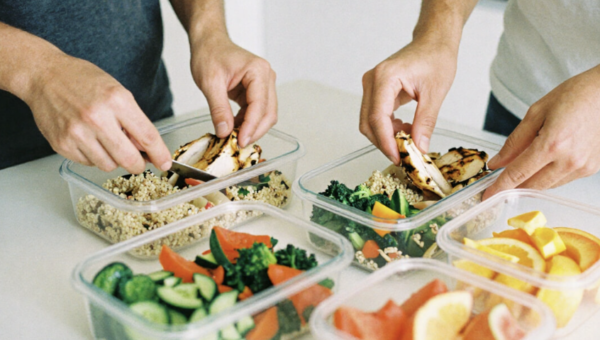
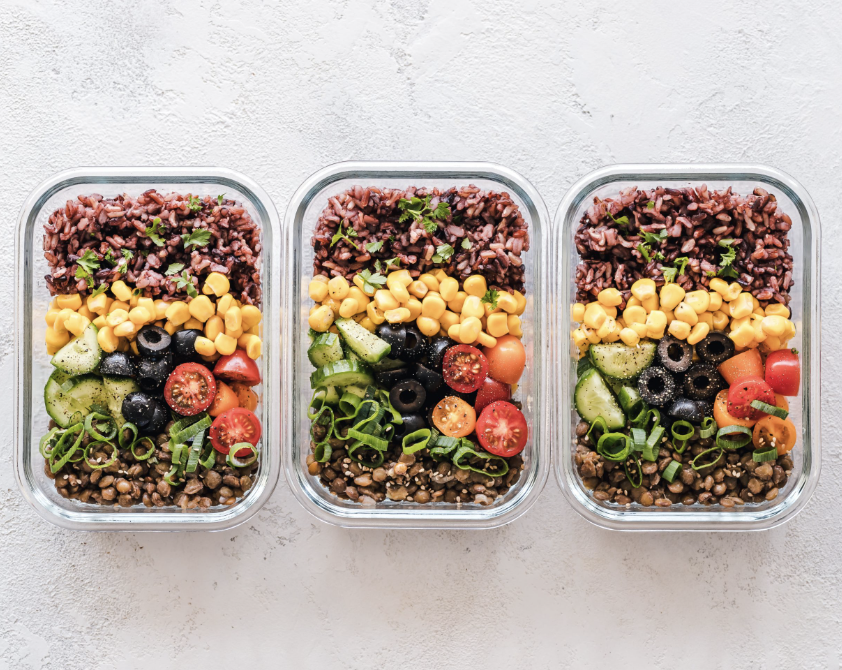
Keeping meals simple also makes the process less overwhelming. A good beginner formula is to build meals around three parts: a protein, a carbohydrate source, and vegetables. For example, grilled chicken, brown rice, and roasted broccoli can become a quick lunch or dinner. Scrambled eggs with toast and fruit can make an easy breakfast. A turkey wrap with chopped vegetables can work well for lunch. When you use a basic formula, you do not need to reinvent your meals every week.
Another helpful tip is to choose ingredients that can be used in different ways. Cooked rice can go into grain bowls, stir-fries, or simple side dishes. Roasted vegetables can be added to wraps, pasta, or salads. Baked chicken can be eaten with potatoes one day and tucked into a sandwich the next. Using versatile ingredients helps save time and money while keeping meals interesting.
Shopping with a short plan can also make meal prep easier. Before going to the store, think about what you want to prepare for the next three to five days. Write down a few simple meals and buy only what you need. This keeps your grocery trip focused and helps prevent waste. For beginners, it is often better to plan a little than to buy too much. A smaller plan is easier to follow and more likely to become a lasting habit.
You also do not need advanced cooking skills to prep healthy meals. Basic methods work just fine. Roasting vegetables in the oven, cooking rice in a pot or cooker, boiling eggs, and pan-cooking chicken are all beginner-friendly options. The more often you repeat these simple methods, the more comfortable you will feel. Confidence in the kitchen usually grows through routine, not perfection.
Storage matters too, but it does not need to be complicated. Use clean containers with secure lids and place meals or ingredients in the fridge once they have cooled. Clear containers can be helpful because they let you quickly see what is ready to eat. Labeling containers with the day or meal can make things even easier, especially when your week gets busy.
One of the best ways to stay motivated is to prepare food you actually enjoy. Healthy eating does not mean bland meals or boring flavors. Use simple seasonings, sauces, and herbs to make food more appealing. Lemon juice, garlic, pepper, olive oil, or a light homemade dressing can add plenty of flavor. When food tastes good, you are much more likely to keep eating it throughout the week.
It is also important to stay flexible. Some weeks will go smoothly, and others will not. You may miss a prep day or change your plans at the last minute. That does not mean you failed. Meal prep should support your life, not make it more stressful. Even preparing one or two items ahead of time can still make a difference. Washed fruit, chopped vegetables, or cooked pasta can help future meals come together much faster.
Over time, healthy meal prep becomes less of a chore and more of a helpful routine. You learn what meals reheat well, which ingredients last longer, and what portion sizes work best for you. The process becomes easier because you stop guessing and start building habits that fit your schedule and your preferences.
For beginners, the biggest secret is to start small and stay consistent. You do not need a perfect system to begin. You just need one simple plan that makes the next few days easier. Healthy meal prep is not about doing everything at once. It is about creating small, useful steps that help you eat well with less stress. Once you realize how much time and energy it saves, meal prep starts to feel less like extra work and more like a gift to your future self.