Healthy Meal Prep Strategies That Save Time

Healthy eating often sounds simple in theory, but in real life it can feel difficult to manage. Busy mornings, long …
The best healthy meal prep strategies save time because they reduce the number of decisions you need to make during the week. Instead of asking yourself what to eat every morning, afternoon, and evening, you already have a few good options ready. This can make healthy choices feel more natural and much less overwhelming.
One of the smartest ways to begin is to keep your meal prep simple. Many people make the mistake of trying to prepare too many recipes at once. They buy a long list of ingredients, plan every meal down to the smallest detail, and then feel exhausted before the week even starts. A simpler approach usually works better. Choose two or three meals for the week and repeat them in different ways. For example, cooked chicken, roasted vegetables, rice, and a simple sauce can become lunch bowls, wraps, or quick dinner plates. Fewer ingredients often mean faster cooking, easier shopping, and less waste.
Planning before shopping is another major time saver. A short meal prep session starts with a clear grocery list. Before going to the store, think about what meals you want to make and write down exactly what you need. This helps you avoid wandering through the aisles and buying ingredients with no real purpose. It also reduces the chances of coming home and realizing you forgot something important. A focused shopping trip supports a focused cooking session, and that makes the whole process more efficient.
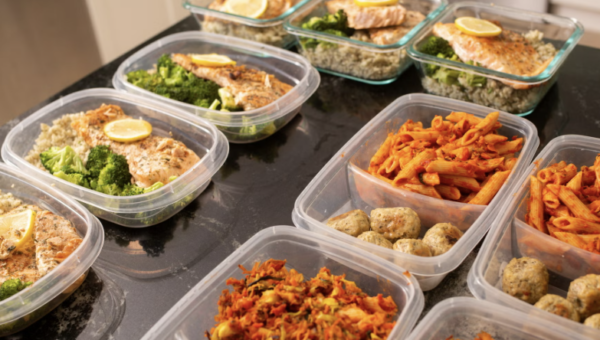
Batch cooking is one of the most practical meal prep strategies for busy people. Instead of cooking small amounts every day, prepare larger portions of key ingredients once or twice a week. Cook a pot of brown rice, roast a tray of vegetables, boil eggs, grill chicken, bake salmon, or prepare a pot of soup. When these basics are ready, building meals becomes much faster. You are no longer starting from zero each time you feel hungry. You are simply combining prepared ingredients into a balanced meal.
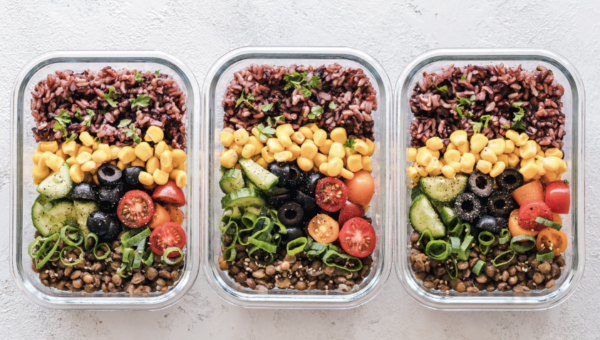
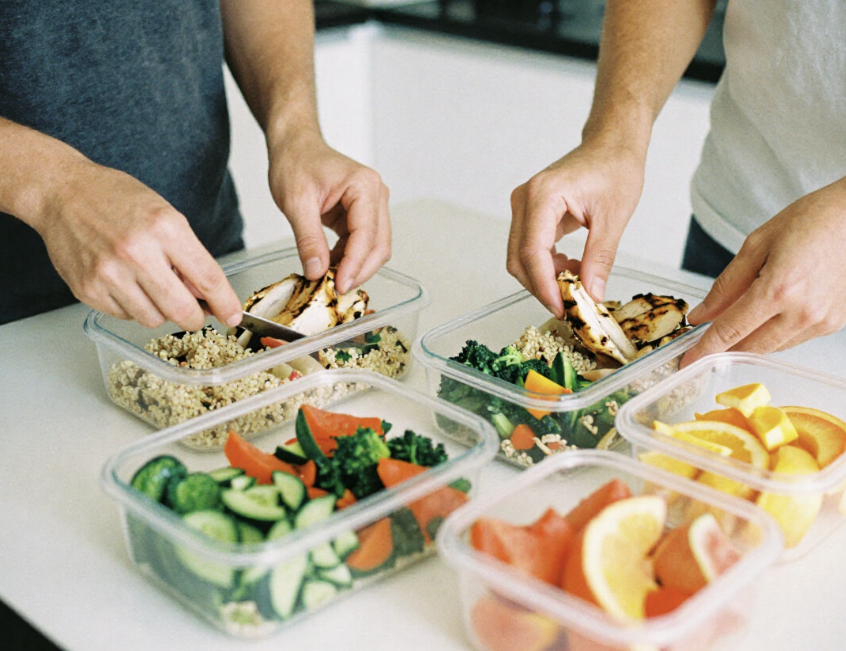
It also helps to prep ingredients, not just full meals. Full meals are useful, but ingredient prep gives you more flexibility. Washed greens, sliced cucumbers, chopped peppers, cooked grains, and ready-to-use proteins can save a surprising amount of time. On busy days, these prepared ingredients can turn into a salad, grain bowl, sandwich, or stir-fry in minutes. This method works especially well for people who prefer variety and do not want to eat the exact same dish every day.
Your kitchen setup can make meal prep even easier. Keeping a few reliable containers on hand makes storing and organizing food much simpler. Clear containers are especially helpful because they let you see what is ready to eat. When healthy options are visible and accessible, you are more likely to use them. It is also helpful to place the most convenient foods at the front of the fridge. A prepared lunch or snack is easier to choose when it is the first thing you see.
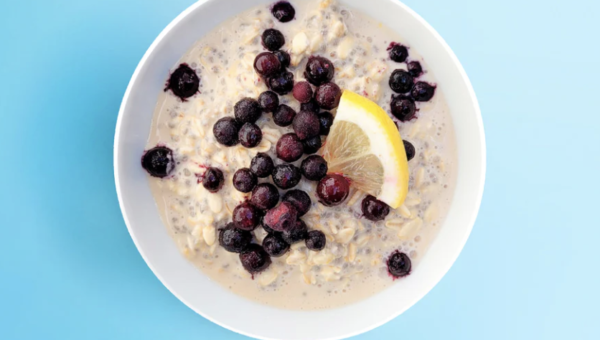
Another useful strategy is to focus on meals that cook quickly and reheat well. Not every recipe is ideal for meal prep. Some foods lose texture or flavor after a day or two, while others stay delicious and satisfying. Grain bowls, soups, pasta dishes, roasted vegetables, baked proteins, overnight oats, and simple salads with separate dressings tend to work well. Choosing prep-friendly meals helps you avoid disappointment later in the week and makes your effort feel more worthwhile.
Time-saving meal prep also depends on using your appliances wisely. An oven, rice cooker, slow cooker, or air fryer can do a lot of the work for you. You can roast vegetables while rice cooks and protein bakes at the same time. This kind of overlap saves energy and shortens your time in the kitchen. Instead of cooking one item after another, try preparing multiple ingredients at once. A little coordination can turn a long cooking session into a much shorter one.
It is also important to be realistic about your schedule. You do not need to prep every meal for seven days. Even preparing breakfasts and lunches for three to four days can make a big difference. Some people prefer a full Sunday prep, while others do better with two shorter sessions during the week. There is no perfect system that fits everyone. The best routine is the one you can keep doing without feeling frustrated or tired of it.
Healthy snacks deserve attention too. Preparing simple snacks ahead of time can prevent last-minute choices that do not support your goals. Fruit, yogurt, nuts, cut vegetables, hummus, or homemade snack boxes can be quick to assemble and easy to grab during a busy day. Having these ready can help you stay steady between meals and avoid the feeling that you have no good options available.
Meal prep should make life easier, not stricter. Leave room for flexibility. Maybe one night you order dinner or meet friends for a meal out. That does not mean your meal prep plan failed. It simply means real life happened. A helpful meal prep routine supports your week without needing everything to go perfectly.
In the end, healthy meal prep strategies that save time are really about building small habits that reduce stress. Keep your meals simple, prepare a few basics in advance, shop with a plan, and use tools that make cooking easier. When healthy food is ready and waiting, it becomes much easier to eat well even on your busiest days. Over time, these simple strategies can help turn meal prep from a chore into a routine that truly supports your lifestyle.