Healthy Meal Prep for a More Organized Kitchen

A more organized kitchen can make healthy eating feel much easier. When meals are planned ahead and ingredients are prepared …
Many people think meal prep has to be complicated, but it can be very practical. It starts with knowing what you need, setting up your kitchen in a way that supports your routine, and preparing food in small steps that fit your schedule. Once these habits become part of your week, the kitchen begins to feel more organized naturally.
One of the best ways to start is by clearing out what you no longer need. A crowded refrigerator, a messy pantry, and overfilled cabinets can make healthy cooking harder than it needs to be. Before preparing anything, take a little time to check what ingredients you already have. Throw away anything expired, group similar items together, and make space for the foods you use most often. When grains, canned goods, spices, and healthy snacks are easy to find, planning meals becomes much smoother.
After tidying up, it helps to think about simple meals for the coming days. A more organized kitchen often begins with a short and realistic plan. Instead of trying to prepare a large number of different dishes, focus on a few balanced basics. Cooked rice, roasted vegetables, grilled chicken, boiled eggs, chopped fruit, and washed greens can be used in many combinations. This makes it easier to build quick lunches and dinners without filling the kitchen with too many separate containers and ingredients.
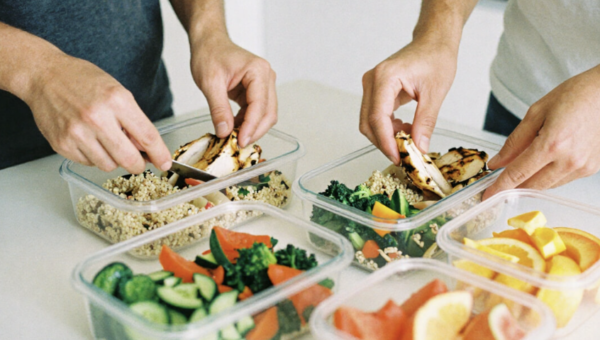
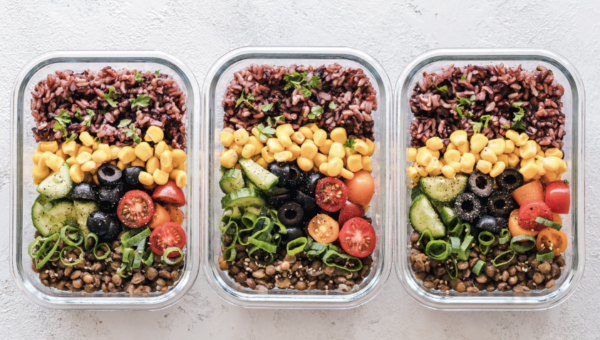
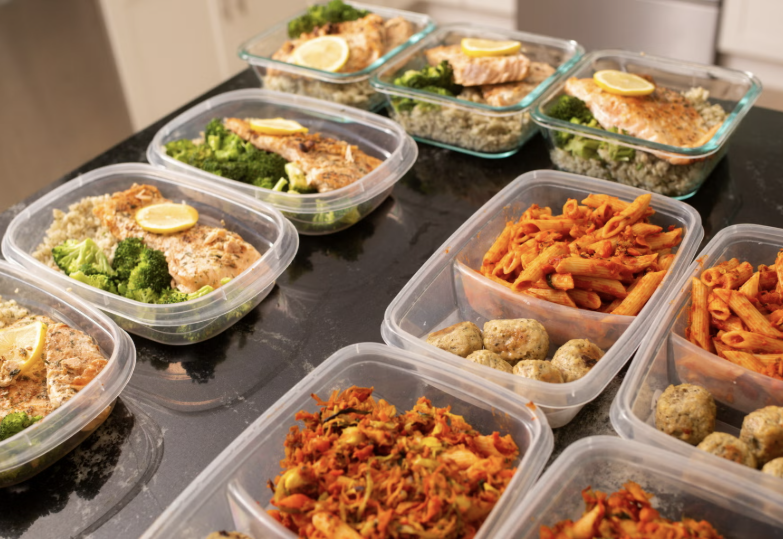
Storage also plays a major role in meal prep. Clear containers can make a big difference because they let you see what is ready to eat. When food is hidden in random bowls or wrapped loosely, it is easy to forget what is available. Labeling containers with the day or food name can help keep everything under control. A shelf in the refrigerator for prepared meals and another for ingredients can also make daily cooking more efficient. This kind of small system helps the kitchen stay neat while reducing confusion during busy mornings or evenings.
Healthy meal prep becomes even more helpful when you prepare ingredients in a way that supports flexibility. For example, instead of making five identical meals, you can prepare parts of several meals. Cook a protein, prepare a grain, wash vegetables, and make a simple sauce or dressing. Then each day you can mix those items in different ways. A bowl with brown rice, chicken, and vegetables can become a wrap the next day or a salad topping later in the week. This keeps meals interesting while helping the kitchen stay organized and functional.
Another useful habit is setting a regular prep time. Some people prefer Sunday afternoon, while others choose one evening during the workweek. The exact time matters less than the consistency. A regular meal prep session gives your kitchen a rhythm. It becomes a time to wash produce, portion snacks, cook staples, and reset the space for the week ahead. Even one hour of focused preparation can make a noticeable difference in how organized the kitchen feels.
Cleaning as you go is another important part of the process. A kitchen can quickly lose its sense of order when cutting boards, pans, and packaging are left everywhere. Washing tools while food cooks and wiping surfaces as you work helps keep the area clear and easier to manage. At the end of the prep session, putting everything back in its place can make the next cooking session much more pleasant. An organized kitchen is not only about storage. It is also about daily habits that keep mess from building up.
Healthy meal prep can also help reduce food waste, which is another sign of a well-managed kitchen. When you know what you plan to eat, you are less likely to buy too much or forget ingredients in the back of the refrigerator. Leftover vegetables can be added to soups, rice dishes, or omelets. Extra cooked chicken can become a sandwich filling or salad topping. Fruit that is getting too soft can be blended into smoothies. Using what you have wisely supports both your budget and your kitchen routine.
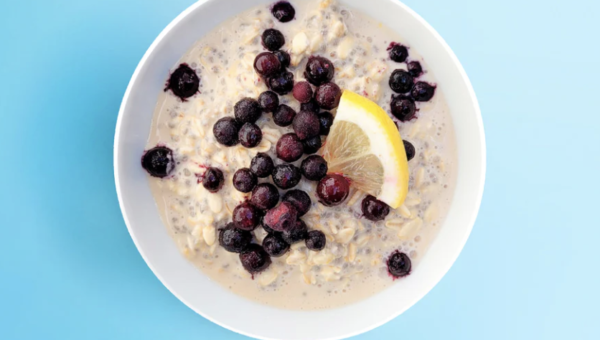
It is also helpful to keep a few reliable ingredients on hand at all times. Oats, eggs, yogurt, frozen vegetables, beans, rice, nuts, and fresh fruit can support many easy meals. When the kitchen includes dependable basics, it becomes easier to stay organized because you are not always starting from nothing. A simple list on the refrigerator or in your phone can help you restock these essentials before they run out.
The good thing about healthy meal prep is that it does not require perfection. A more organized kitchen grows from repeated small efforts, not from trying to make everything look flawless. Some weeks you may prepare full meals, while other weeks you may only wash produce and cook a few basics. Both approaches still help. The real goal is to make healthy choices easier and your kitchen more supportive of everyday life.
In the end, healthy meal prep is about creating a kitchen that works for you. When ingredients are visible, meals are planned simply, and storage has a clear purpose, the whole space feels more peaceful. Cooking becomes less rushed, healthy eating feels more natural, and the kitchen becomes a place of order rather than stress. With a few consistent habits, anyone can turn meal prep into a simple way to enjoy a more organized kitchen and a more comfortable week.