Healthy Meal Prep Habits That Actually Work

Healthy meal prep often sounds easier than it feels in real life. Many people start with good intentions, buy a …
One of the most useful meal prep habits is starting with a realistic plan. Instead of trying to prep every single breakfast, lunch, dinner, and snack for seven days, it helps to begin with just a few meals. For example, preparing lunches for three workdays or getting two dinner bases ready can make a big difference without feeling overwhelming. This approach lowers pressure and makes it easier to stay consistent. When meal prep feels manageable, it becomes something people return to each week instead of something they avoid.
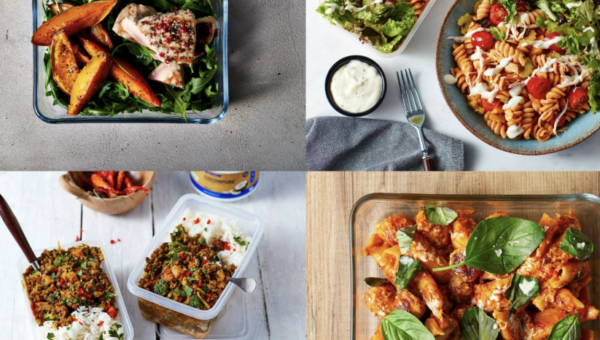
Another habit that works well is choosing familiar foods rather than chasing complicated recipes. Meal prep is not the best time to test five new dishes that require special ingredients and lots of cooking time. It is often better to rely on meals that are simple, flexible, and easy to enjoy more than once. Roasted vegetables, grilled chicken, rice, boiled eggs, overnight oats, pasta salad, soups, and wraps are popular for a reason. They are practical, easy to store, and simple to mix and match. Familiar meals also make grocery shopping faster because the ingredient list stays clear and predictable.
A strong meal prep routine usually begins before cooking starts. Taking a few minutes to look at the upcoming week can help shape smarter choices. A busy workweek may call for quick lunches and easy dinners, while a quieter week may leave more room for cooking fresh meals at home. Checking the calendar first can prevent over-prepping and reduce wasted food. It is much easier to prepare the right amount when the week’s schedule is clear. This small planning step often saves both time and money.
Keeping the prep session simple is another habit that matters. Many people imagine meal prep as an all-day Sunday project, but it does not have to be that way. A shorter prep session can still be very helpful. Washing produce, cooking one protein, preparing a grain, and portioning a few snacks may take less than an hour, yet it can improve the entire week. Meal prep works best when it supports life instead of taking it over. Small sessions done regularly often work better than huge sessions that feel exhausting.
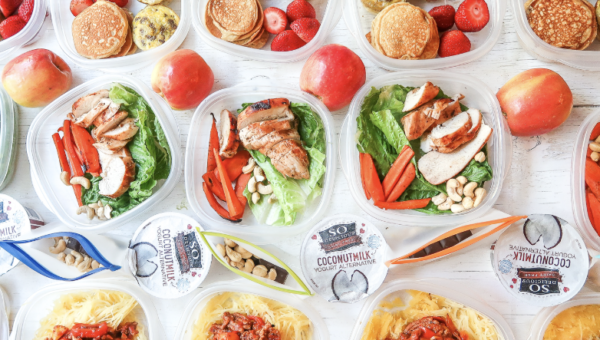
Building meals from a few reliable parts is a smart strategy. Instead of preparing fully assembled dishes for every container, some people find it easier to prep ingredients separately. A batch of cooked rice, roasted vegetables, baked tofu or chicken, chopped fruit, and a simple sauce can become different meals across several days. This method keeps food from feeling too repetitive and allows more flexibility. One day the ingredients can become a grain bowl, the next day they can go into a wrap, and later they can be turned into a quick stir-fry. Variety helps meal prep stay interesting.
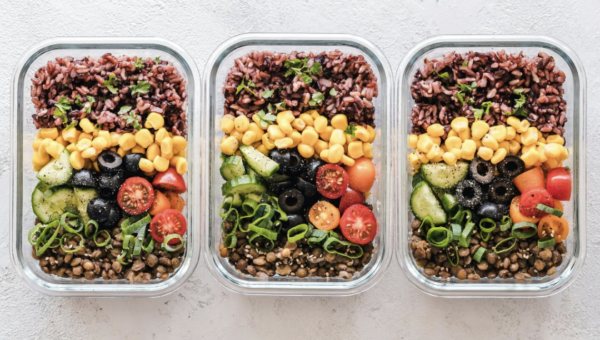
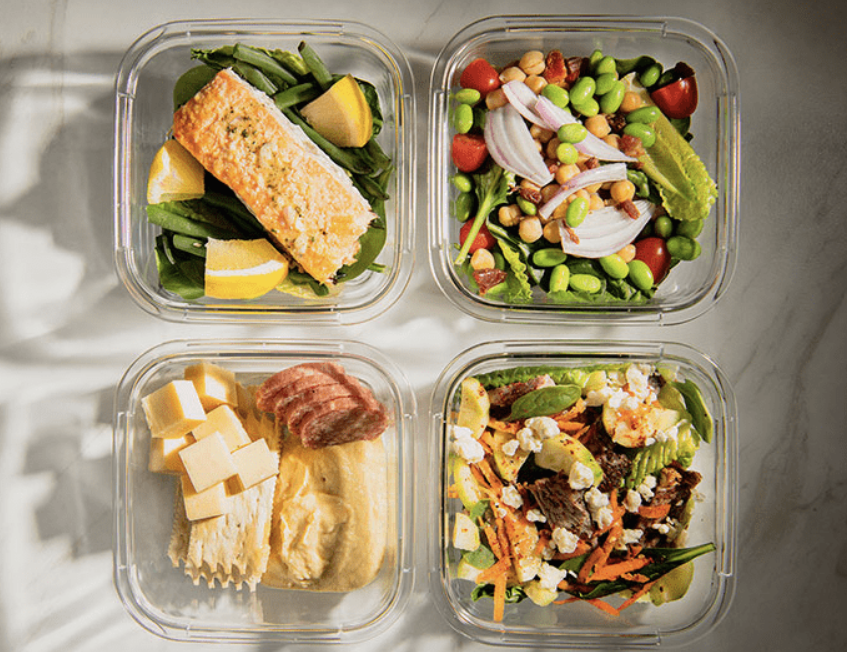
Storage habits also play a big role in success. Clear containers make it easier to see what is available, which means prepared food is more likely to be eaten. Labeling containers with the day or item name can help, especially in a busy household. Placing ready-to-eat meals and snacks at eye level in the fridge can make healthy choices feel more convenient. When washed fruit, yogurt, chopped vegetables, or prepared lunches are the first things seen, reaching for them becomes easier. Convenience is one of the biggest reasons meal prep works, so the setup should make good choices feel obvious.
It also helps to accept that not every meal needs to be fully homemade. Healthy meal prep habits are about support, not pressure. Using a few convenient grocery items can still be part of a solid routine. Pre-washed greens, frozen vegetables, rotisserie chicken, canned beans, microwavable grains, and simple sauces can save time while still helping people eat well. There is no prize for doing everything from scratch. The real goal is creating a routine that fits daily life and reduces decision fatigue.
Another habit that actually works is leaving room for flexibility. Some days go exactly as planned, and some do not. A lunch may get skipped because of a meeting, dinner plans may change, or a craving may lead in a different direction. That does not mean the meal prep failed. It simply means life happened. A flexible mindset makes it easier to continue the habit without frustration. Meal prep should be a helpful tool, not a rigid rulebook. When people allow their routine to bend, they are more likely to stick with it long term.
The most effective meal prep habits are often the least dramatic. They include planning just enough, choosing easy meals, keeping ingredients practical, storing food in a visible way, and preparing for the real schedule ahead. These habits work because they reduce stress and make daily eating feel smoother. Healthy meal prep is not about making perfect meals for every moment. It is about creating a system that saves time, supports better choices, and feels sustainable from week to week.
In the end, meal prep works best when it feels like help rather than homework. A simple routine done consistently can have a bigger impact than an ambitious plan that only lasts one weekend. Starting small, staying flexible, and focusing on habits that fit real life can turn meal prep into something useful and lasting. When the process feels realistic, healthy eating becomes much easier to maintain.
If you want, I can also turn this into a more SEO-focused version with a meta title and meta description.