Healthy Meal Prep for Fresh and Balanced Eating

Healthy meal prep is one of the simplest ways to make fresh and balanced eating feel easier during a busy …
Many people want to eat better, but daily life often gets in the way. Long workdays, errands, family responsibilities, and limited energy can make it tempting to choose whatever is fastest. Meal prep helps remove that pressure. When healthy ingredients are washed, chopped, cooked, or portioned in advance, it becomes much easier to build meals that feel satisfying and balanced.
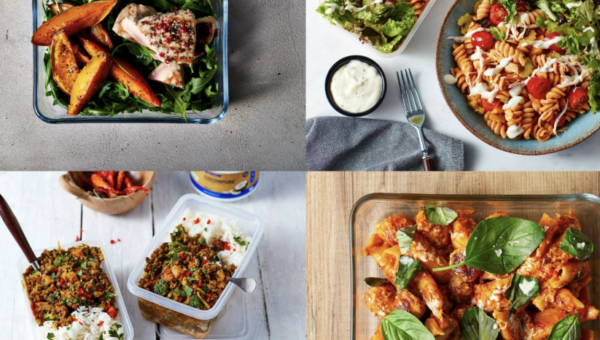
A fresh and balanced approach starts with variety. Good meal prep does not mean eating the same thing every day. It means preparing a flexible group of foods that can be mixed and matched in different ways. A batch of cooked grains, a few proteins, roasted vegetables, fresh greens, cut fruit, and simple sauces can become many different meals throughout the week. One day it may be a grain bowl, the next day it may be a wrap, and later it can become a soup, salad, or stir fry. This keeps meals interesting while still saving time.
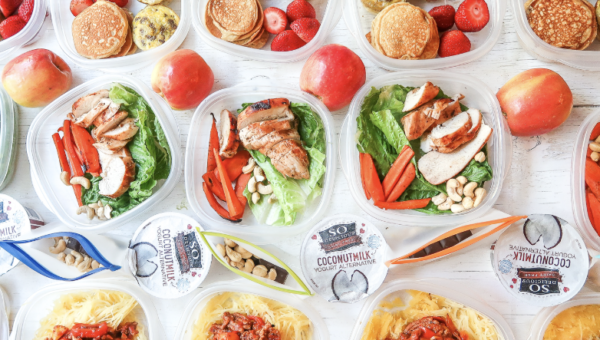
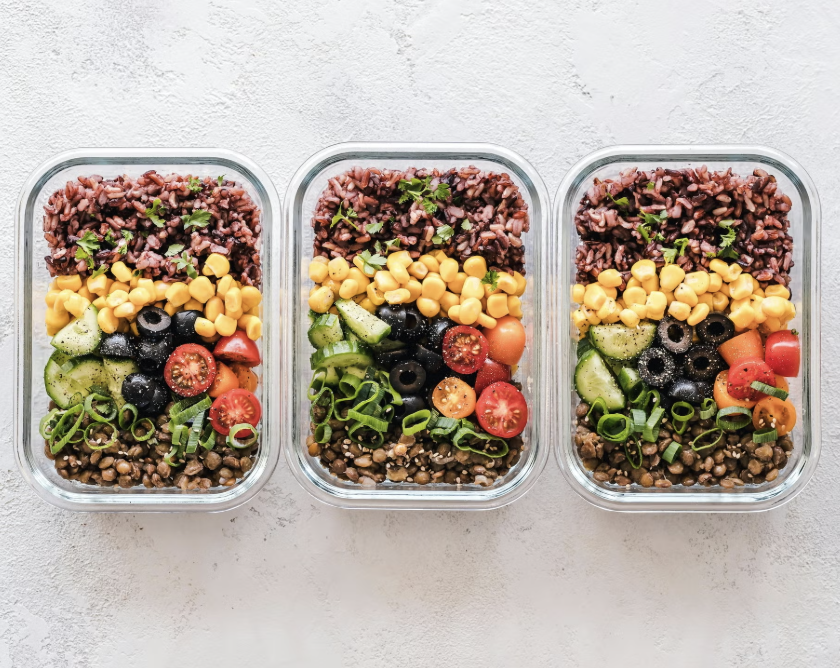
Balance is also important because it helps meals feel complete. A balanced meal often includes protein, fiber-rich carbohydrates, healthy fats, and colorful produce. Protein can come from foods like eggs, chicken, fish, tofu, beans, or yogurt. Carbohydrates may include brown rice, quinoa, oats, sweet potatoes, or whole grain bread. Healthy fats can come from avocado, nuts, seeds, olive oil, or nut butter. Fruits and vegetables add freshness, color, texture, and a wide range of nutrients. When these parts come together, meals tend to feel more filling and more enjoyable.
One helpful way to begin meal prep is to keep it simple. Trying to prepare every breakfast, lunch, dinner, and snack for a full week can feel overwhelming at first. A better starting point is to choose two or three meal components that make daily choices easier. For example, cooking a tray of vegetables, preparing a pot of rice, and seasoning a protein can create the foundation for several quick meals. Even washing lettuce, slicing cucumbers, and portioning fruit can make a big difference. Small steps still count as meal prep.
Freshness matters too. Healthy eating often feels more appealing when food looks vibrant and tastes good. That is why smart meal prep focuses not only on convenience, but also on quality. Some foods are best cooked ahead, while others are better added fresh. Roasted vegetables, soups, grains, and proteins usually store well. Fresh herbs, crunchy vegetables, citrus, and dressings can be added later to brighten the final meal. This balance between prepared items and fresh finishing touches helps food stay enjoyable through the week.
Another helpful habit is choosing recipes that fit real life. Meal prep should support your routine, not make it harder. It helps to think about the moments when you are most likely to need quick meals. Some people need easy lunches for work. Others need ready-to-cook dinners for evenings when energy is low. Some need breakfast options that can be grabbed on the way out the door. When meal prep matches your actual routine, it becomes far more useful and far more sustainable.
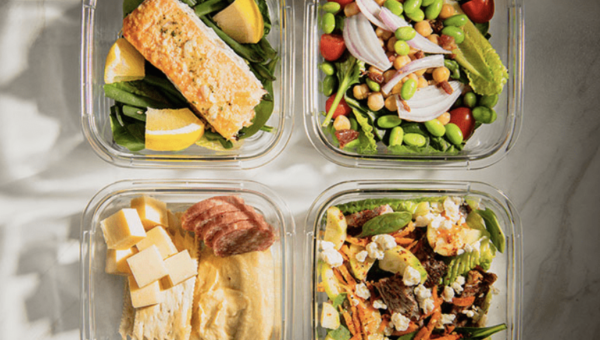
Storage also plays an important role. Clear containers can make it easier to see what is available, which helps reduce food waste and encourages better choices. Letting cooked food cool before storing it, keeping ingredients in airtight containers, and using the fridge thoughtfully can all help meals stay fresh. Labeling containers with the date can also make the week feel more organized. Good storage habits protect both flavor and convenience.
It is also worth remembering that healthy meal prep should feel flexible, not perfect. Some weeks you may have time to prepare several meals, and other weeks you may only manage a few basics. That is completely fine. A fridge stocked with washed berries, boiled eggs, cooked chicken, and chopped vegetables is already a strong step toward fresh and balanced eating. Progress does not need to look impressive to be useful.
Flavor should never be forgotten. Healthy food becomes much easier to enjoy when seasoning is part of the plan. A simple lemon dressing, a yogurt sauce, a garlic marinade, or a homemade vinaigrette can turn basic ingredients into meals that feel more exciting. Herbs, spices, citrus, and light sauces can create variety without making prep too complicated. When meals taste good, healthy eating feels less like a task and more like a form of care.
Over time, meal prep can also support better awareness around eating habits. Planning ahead often leads to more thoughtful grocery shopping, less last-minute stress, and a clearer idea of what your body needs during the week. It can make balanced eating feel more natural because the decision has already been made in a calm moment rather than during a rushed one. That shift alone can be very powerful.
Healthy meal prep for fresh and balanced eating is really about making nourishment easier to reach. It is a practical habit that brings structure without being rigid. With a little planning, a few fresh ingredients, and a flexible mindset, it becomes possible to eat in a way that feels organized, satisfying, and realistic. The goal is not perfection. The goal is to make good food more available, more enjoyable, and more connected to the rhythm of everyday life.