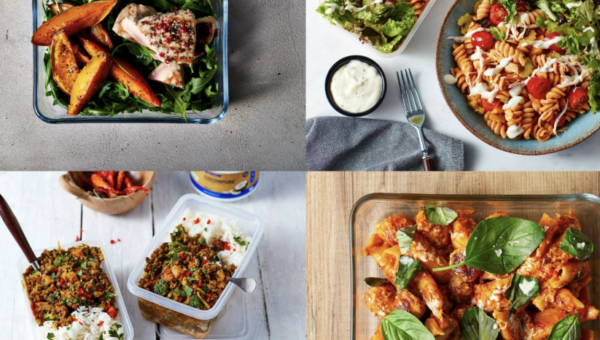
Healthy Meal Prep on a Budget Without Sacrificing Flavor

Healthy meal prep on a budget without sacrificing flavor is one of the most practical ways to eat well in …
The first step is to stop thinking of meal prep as complicated. It does not need to mean spending an entire day cooking or filling your refrigerator with fancy containers. At its core, meal prep is simply preparing food ahead of time so your future self has something easy and nourishing to enjoy. That can be as simple as washing vegetables, cooking a pot of rice, roasting chicken, or making a large batch of soup for the week.
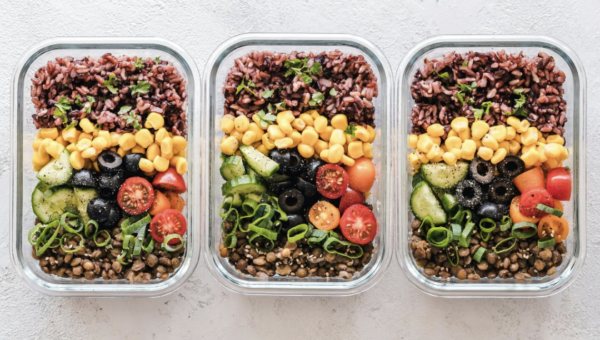
One of the biggest budget-friendly secrets is choosing ingredients that can be used in multiple ways. Rice, oats, eggs, beans, lentils, potatoes, pasta, frozen vegetables, canned tuna, chicken thighs, and seasonal produce can all become the base of several meals. When you use the same core ingredients in different combinations, you reduce waste and keep grocery costs under control. For example, a tray of roasted vegetables can go into lunch bowls, wraps, omelets, or pasta dinners. A pot of beans can become a side dish, a salad topping, or a filling for tacos.
Flavor is where many people worry they will have to compromise, but that is usually the easiest problem to solve. Great flavor often comes from simple additions rather than expensive ingredients. Garlic, onion, lemon juice, black pepper, paprika, cumin, chili flakes, soy sauce, mustard, vinegar, and dried herbs can completely change the taste of basic meals. A bowl of rice, vegetables, and chicken can feel different every day just by switching the seasoning. One day it can have a garlic and herb flavor. Another day it can lean smoky and warm with paprika and cumin. The next day it can be bright and fresh with lemon and pepper.
Buying in bulk can also make a big difference, especially for pantry staples. Large bags of rice, oats, dried beans, and frozen vegetables usually cost less per serving than smaller packages. This does not mean you need to buy everything in huge amounts. It simply means noticing which foods you use regularly and purchasing them in the size that offers better value. When combined with a weekly meal plan, this approach helps you avoid random spending on convenience foods and last-minute takeout.
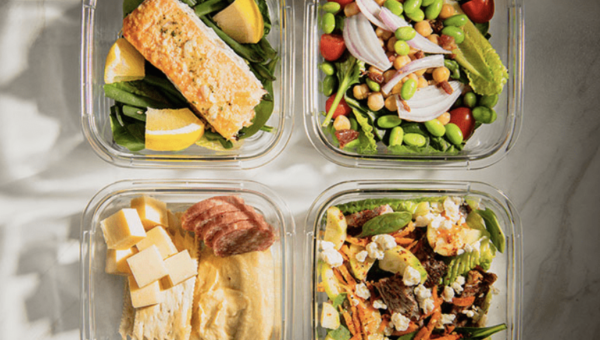
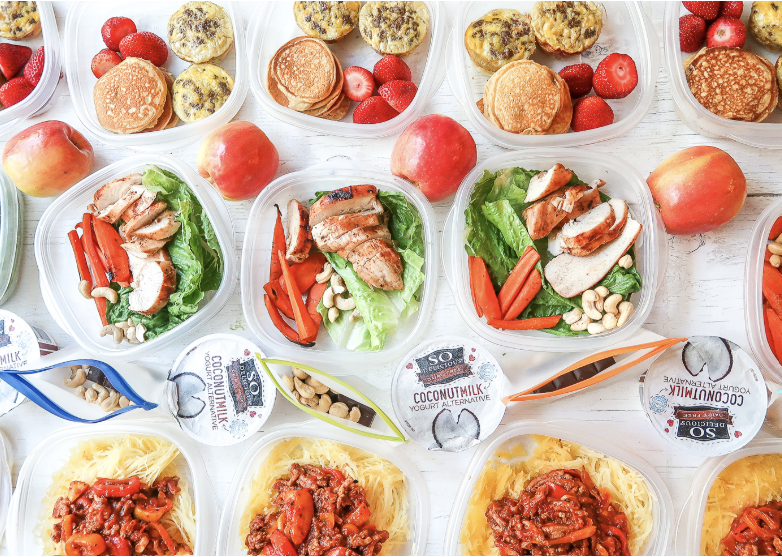
Another smart habit is building meals around affordable protein sources. Protein does not always have to come from premium cuts of meat. Eggs are versatile, filling, and usually budget-friendly. Beans and lentils are rich in fiber and protein while also being very economical. Canned fish can be a convenient option for quick lunches. Chicken thighs are often less expensive than chicken breast and tend to stay juicy and flavorful during reheating. By mixing different protein options throughout the week, you can keep meals interesting without pushing your grocery bill too high.
Texture matters just as much as flavor when trying to enjoy healthy meals. A good meal prep dish should not feel dull or repetitive. Try combining something soft, something crisp, and something fresh. For example, roasted sweet potatoes pair nicely with crunchy cabbage slaw and a creamy yogurt-based sauce. Cooked grains feel more exciting with fresh cucumber, juicy tomatoes, or toasted seeds added before serving. These little details can make homemade meals feel more enjoyable and far from boring.
Using leftovers creatively is another powerful budget strategy. Instead of seeing leftovers as repeats, think of them as prepared ingredients for a new meal. Roast chicken from dinner can become a wrap for lunch the next day. Extra cooked vegetables can be blended into soup or folded into scrambled eggs. Leftover rice can become fried rice with frozen peas, garlic, and egg. This kind of flexibility helps stretch your food further and keeps you from wasting ingredients you already paid for.
It also helps to shop with a loose plan rather than buying food based only on cravings in the moment. Before going to the store, think about three or four meals you want to make and write down what you need. Focus on ingredients that overlap. If spinach is on your list, use it for smoothies, omelets, and pasta. If you buy carrots, use them in soup, grain bowls, and snacks. This kind of intentional shopping makes healthy eating feel more manageable and efficient.
Frozen fruits and vegetables deserve special attention because they are often overlooked. They are picked and packed quickly, last longer than fresh produce, and help reduce spoilage. They are perfect for smoothies, stir-fries, soups, and side dishes. Keeping a few frozen options at home can make healthy meal prep easier, especially during busy weeks when fresh ingredients may not last as long as expected.
Most importantly, budget-friendly meal prep does not need to look perfect. It only needs to work for your life. Some weeks you may prepare full meals. Other weeks you may only prep ingredients. Both approaches are useful. The goal is not perfection. The goal is to make healthy choices easier, more affordable, and more enjoyable.
Healthy meal prep on a budget without sacrificing flavor is really about using what you have wisely and seasoning it well. When you focus on simple foods, flexible planning, and tasty basics, you can create meals that support your routine and satisfy your appetite without overspending. Good food does not have to be expensive to feel comforting, fresh, and full of flavor. Often, the most reliable meals are the ones made from ordinary ingredients with a little thought and care.