Healthy Meal Prep for Better Portion Control

Healthy meal prep can make everyday eating feel much easier, especially when portion sizes tend to change based on stress, …
One of the biggest reasons meal prep works so well is that it allows you to make decisions before hunger takes over. When you wait until the last minute to choose a meal, it is easy to serve too much or rely on takeout that comes in oversized portions. A prepared meal gives you a clear starting point. Instead of estimating how much rice, chicken, pasta, or vegetables to place on your plate, you already have a reasonable amount ready to go. This can help you feel more in control of your meals and more aware of your usual eating habits.
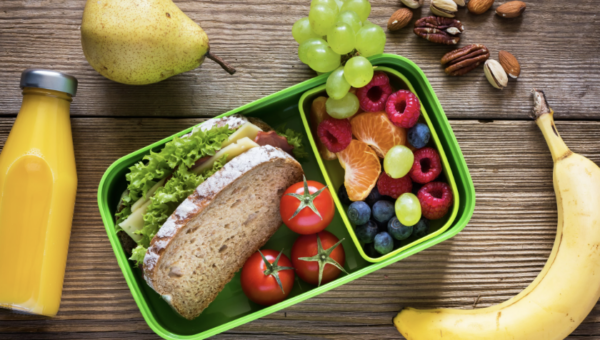
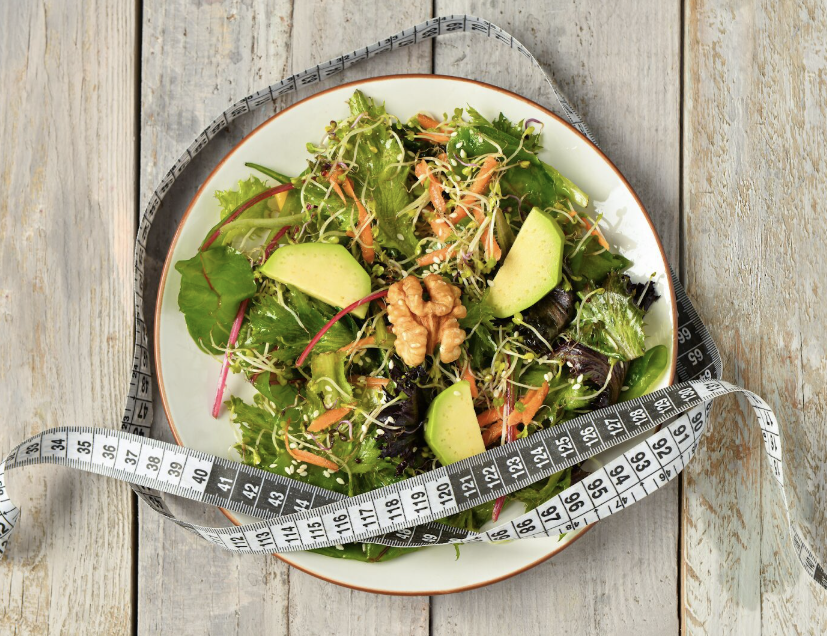
Better portion control does not mean eating tiny meals or feeling unsatisfied. It means building meals that leave you feeling comfortable, nourished, and steady throughout the day. A balanced meal often includes a source of protein, a fiber-rich carbohydrate, vegetables, and some healthy fat. When these parts are included together, meals tend to feel more filling and satisfying. That makes it easier to avoid constant snacking or going back for extra servings simply because the first meal was not balanced enough.
Meal prep can also help you notice patterns in your appetite. Some people do best with three solid meals each day, while others prefer adding one or two planned snacks. By preparing food in advance, you can create a structure that matches your routine. For example, you may pack a lunch with grilled chicken, brown rice, and roasted vegetables, then prepare a small snack like yogurt with fruit for later in the afternoon. Having both ready can reduce the urge to grab whatever is nearby when energy drops.
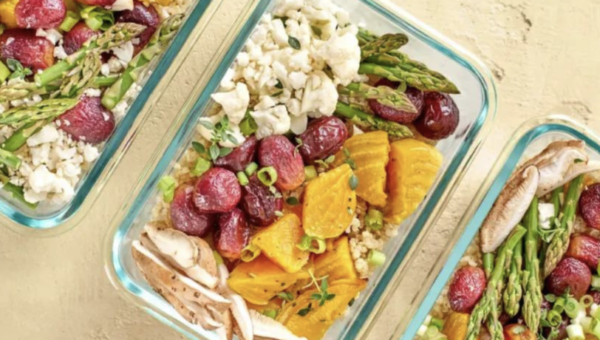
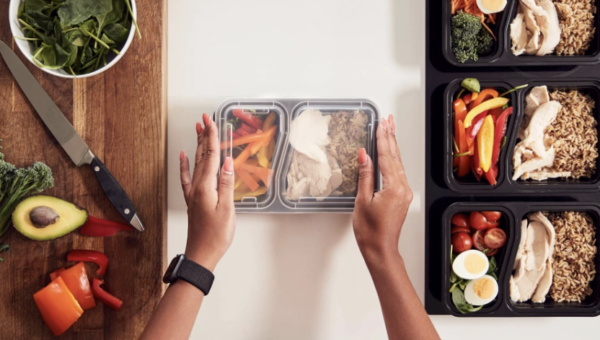
Containers are one of the most useful tools for portion control. When you divide food into individual containers after cooking, you create a natural stopping point. This is often more helpful than storing everything in one large dish and serving from it each time. A single container encourages you to pause and check in with your hunger before automatically taking more. It also saves time during the week, which makes healthy choices easier to repeat.
Another helpful idea is to keep meals simple. Portion control becomes harder when meal prep feels overwhelming or too ambitious. You do not need a long list of ingredients or complicated recipes to make this work. A few basics can go a long way. Roasted vegetables, cooked grains, baked chicken, boiled eggs, beans, fruit, and chopped salad ingredients can be mixed and matched into many different meals. Simplicity helps you stay consistent, and consistency is what often brings the best results.
It is also important to think about how food looks on the plate. When a meal has color, variety, and a good mix of textures, it often feels more enjoyable. Enjoyment matters. If your meals feel dull or repetitive, you may be more likely to search for extra food later. Adding simple touches like a flavorful dressing, herbs, lemon juice, or a favorite seasoning blend can make prepared meals more appealing without making them heavier than needed. Portion control is easier when you truly look forward to what you are eating.
Listening to hunger and fullness still matters, even with prepped meals. A prepared portion is a guide, not a rule that must be followed exactly every single time. Some days you may need a little more, and other days a little less. The goal is not perfection. The goal is to create a helpful routine that supports awareness. Meal prep gives you a strong foundation, but your body’s signals should still be part of the conversation.
Planning ahead can also reduce food waste and save money. When you shop with a simple meal plan in mind, you are more likely to buy what you actually need. That can mean fewer impulse purchases and fewer random leftovers sitting in the refrigerator. It also helps you use ingredients more efficiently. One batch of cooked rice or roasted vegetables can appear in several meals throughout the week. This kind of planning supports both your schedule and your budget.
If you are new to meal prep, start small. You do not need to prepare every meal for the entire week right away. Even prepping lunches for three days or washing and cutting produce in advance can make a real difference. Small steps often feel more manageable, and they give you time to learn what portions work best for you. Over time, you can adjust your meals based on what keeps you satisfied and energized.
Healthy meal prep for better portion control is really about making life easier. It gives you a way to bring more structure to your meals without adding unnecessary pressure. With a little planning, a few reliable ingredients, and realistic portions, you can create meals that feel satisfying, practical, and enjoyable. That steady approach can help support balanced eating day after day, even when life gets busy.