Healthy Meal Prep for Busy People Who Want Simplicity

Healthy meal prep does not need to feel like a second job. For many busy people, the hardest part is …
The good news is that simplicity can still lead to balanced, satisfying meals. You do not need a long ingredient list, expensive containers, or hours in the kitchen every weekend. In most cases, a few familiar foods and a basic routine are enough to make the week smoother. The goal is not to create picture-perfect meals. The goal is to make eating well feel easier on your busiest days.
A simple meal prep routine starts with choosing foods you already enjoy. Many people get stuck because they try to change everything at once. They pick unfamiliar recipes, buy too many ingredients, and end up overwhelmed before the week even begins. A better approach is to build meals around a small number of reliable foods. Think of easy proteins, simple grains, fresh or frozen vegetables, and a few snacks that travel well. When you repeat a few good combinations, meal prep becomes less stressful and much more manageable.
It also helps to think in parts instead of complete recipes. Rather than preparing five different meals, you can cook a few basics that mix and match throughout the week. A batch of rice, roasted vegetables, grilled chicken, boiled eggs, or a simple bean dish can be used in several ways. One day it becomes a lunch bowl. The next day it goes into a wrap or sits beside a salad. This kind of flexibility keeps meals from feeling too repetitive while still saving time.
One of the biggest benefits of healthy meal prep is that it reduces daily decision fatigue. After a long workday, even simple choices can feel exhausting. When you already have ingredients prepared, it becomes much easier to put together a meal without relying on takeout or skipping meals altogether. You remove the question of what to eat and replace it with a ready answer. That small change can make the whole week feel more organized.
Simplicity also matters because it makes healthy eating more realistic. Many busy people think meal prep must involve a full Sunday afternoon, but that is not true. Even one hour can be enough. Washing produce, portioning snacks, cooking one protein, and preparing one base like rice or pasta can make a noticeable difference. Small steps count. You do not need to prep every breakfast, lunch, and dinner to benefit from the habit. Starting with just lunches or just weekday dinners is often the easiest way to build consistency.
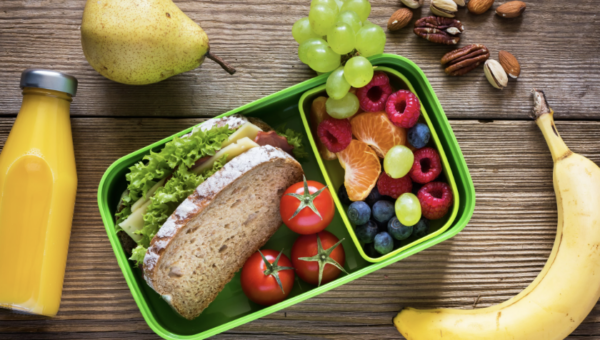
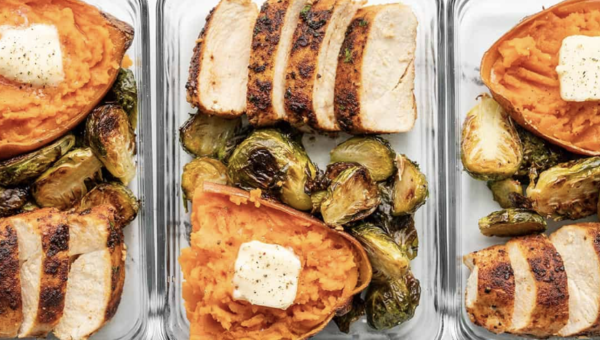
Another helpful strategy is to keep your meals balanced without making them complicated. A simple plate often works best. Include a source of protein, a carbohydrate for energy, and fruits or vegetables for color and variety. This does not need to be strict or technical. It can be as easy as chicken with rice and green beans, oatmeal with fruit and nuts, or a turkey sandwich with cut vegetables on the side. Simple meals are often the ones people return to because they are easy to repeat.
Shopping with simplicity in mind can also save time and money. When you plan a small number of meals, your grocery list becomes shorter and more focused. That usually means less waste and fewer impulse purchases. Buying ingredients that can be used in more than one meal is especially useful. For example, spinach can go into sandwiches, grain bowls, or omelets. Cooked chicken can be used in wraps, salads, or pasta. A tub of yogurt can work for breakfast, snacks, or a quick sauce. The more flexible your ingredients are, the easier weekly prep becomes.
It is also important to leave room for real life. Some weeks will go smoothly, and other weeks will not. That does not mean the routine has failed. Healthy meal prep should support your schedule, not control it. If you only manage to prep a few items, that is still helpful. If you need convenience foods sometimes, that is okay too. Pre-washed greens, frozen vegetables, rotisserie chicken, canned beans, and microwaveable grains can all save time and still fit into a simple, balanced routine.
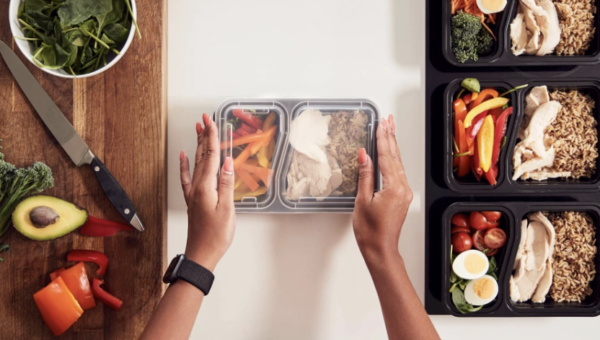
Storage matters more than people sometimes expect. When prepared food is easy to see and reach, it is more likely to be used. Clear containers, labeled meals, or placing ready-to-eat foods at the front of the fridge can make healthy choices feel more convenient. This is especially useful during busy mornings or late evenings when energy is low and quick decisions matter most.
Over time, the real power of meal prep is not just in the food itself. It is in the sense of calm it creates. Knowing that something nourishing is already waiting for you can reduce stress and make the week feel less rushed. It adds structure without requiring perfection. That is why simplicity matters so much. A simple system is easier to repeat, and what you repeat is what becomes part of your life.
Healthy meal prep for busy people is not about doing more. It is about making a few smart choices ahead of time so your future self has an easier day. Keep it simple, keep it familiar, and keep it flexible. When meal prep feels realistic, it becomes something you can actually maintain. And that is where the biggest benefits begin.