Healthy Meal Prep Ideas for a Simpler Week

A simpler week often starts with a simpler kitchen plan. When meals feel rushed, it is easy to rely on …
Healthy meal prep is really about giving yourself a head start. Instead of cooking every single meal from scratch during a busy week, you prepare a few ingredients or dishes ahead of time so daily decisions become easier. That could mean washing vegetables, cooking a batch of rice, roasting chicken, or making a simple soup that lasts for several meals. Small steps can make a big difference when your schedule is full.
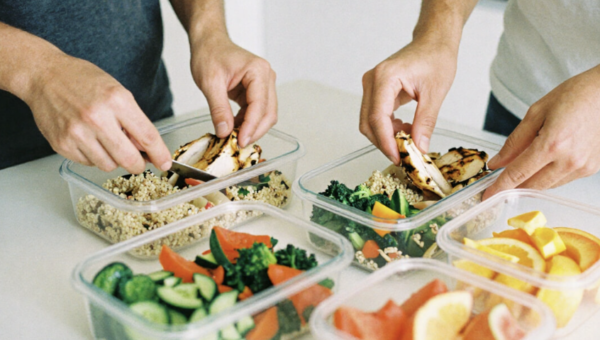
One of the easiest ways to begin is to focus on a few dependable basics. Choose one protein, one grain, a few vegetables, and one or two sauces or dressings. For example, cooked chicken, brown rice, roasted broccoli, sliced cucumbers, and a light yogurt-based sauce can turn into several different meals. You can build lunch bowls, quick wraps, or simple dinner plates without having to start over every time. This approach saves time and also helps reduce food waste because the same ingredients can be used in different ways.
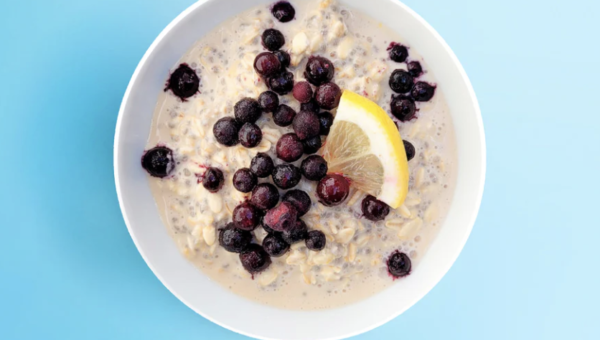
Breakfast is a great place to simplify first. Many people find mornings stressful, especially on workdays. Preparing breakfast ahead can help you start the day with less pressure. Overnight oats are a classic option because they take only a few minutes to make. You can combine oats with milk or yogurt, add fruit, and refrigerate them in jars or containers. Egg muffins are another practical idea. They are easy to reheat and can be made with spinach, tomatoes, mushrooms, or cheese. If you prefer something even simpler, portioning yogurt, fruit, and nuts into grab-and-go containers can make busy mornings feel far easier.
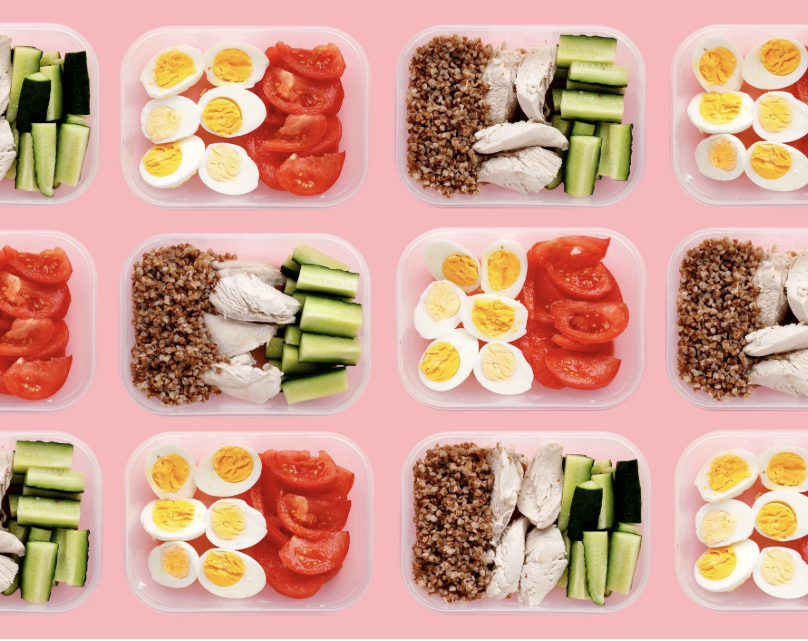
Lunch meal prep can be especially helpful if you want to avoid last-minute food choices. Grain bowls are popular for a reason. They are easy to customize, filling, and travel well. Start with a base such as rice, quinoa, or pasta. Add a protein like grilled chicken, beans, tuna, tofu, or boiled eggs. Then include vegetables for color and texture. A little dressing, hummus, or salsa can make everything more enjoyable without much effort. Pasta salads, wraps, and simple soups are also smart options for lunches because they can be made ahead and packed quickly.
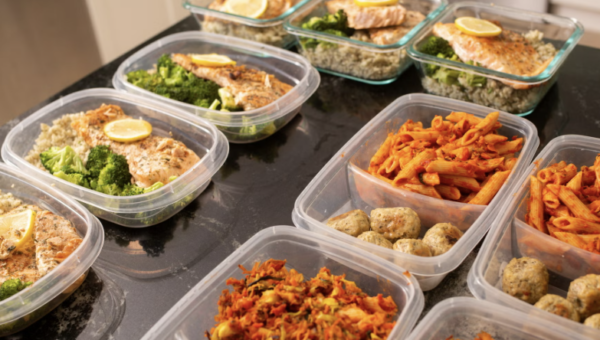
Dinner prep does not mean you need seven fully cooked meals waiting in the fridge. For many households, it works better to prep ingredients rather than complete dishes. Chopping onions, washing greens, marinating proteins, and cooking a pot of grains can make dinner feel much lighter during the week. When you come home tired, it is much easier to cook something simple if half the work is already done. A pan of roasted vegetables, a container of cooked beans, and a portion of baked salmon or chicken can turn into fast dinners with very little stress.
Healthy snacks deserve attention too, because they can help prevent that late afternoon scramble for whatever is easiest. Snack prep does not need to be fancy. Fresh fruit, cut vegetables, boiled eggs, cheese cubes, roasted chickpeas, trail mix, and homemade sandwiches can all be prepared in advance. Keeping these choices visible and ready in the fridge can make healthy habits feel more natural. It is often not about having perfect willpower. It is about making convenient choices easier to reach.
A simpler week also comes from being realistic. Many people give up on meal prep because they try to do too much at once. They plan a full menu, cook for hours, and end up overwhelmed. A better approach is to start small. Prep just two breakfasts, two lunches, and a few ingredients for dinner. Notice what you actually enjoy eating and what stays fresh long enough to be useful. Meal prep should support your routine, not make you feel like you are working a second job in your kitchen.
Storage matters more than many people realize. Clear containers can help you quickly see what is ready to eat. Labeling meals or ingredients with a day or date can also reduce confusion. Placing the most perishable foods at the front of the fridge helps remind you to use them first. Even simple habits like portioning leftovers into individual containers can make the next day much easier.
Variety can keep meal prep from feeling repetitive. You do not always need totally different ingredients to create different flavors. The same cooked chicken can become part of a rice bowl one day, a wrap the next, and a soup or salad later in the week. A few simple sauces or seasonings can completely change the mood of a meal. Lemon and herbs, garlic yogurt, mild curry sauce, salsa, or a light sesame dressing can make familiar ingredients feel new again.
Meal prep also offers something beyond food. It can create a calmer rhythm for the week. When your meals are partly planned, you spend less time making stressful decisions and more time focusing on work, family, rest, or other priorities. There is comfort in opening the fridge and knowing something good is already waiting for you.
The goal is not perfection. Some weeks will be more organized than others, and that is fine. Healthy meal prep is simply a tool to help you eat well with less effort. By preparing a few basics, choosing practical meals, and building a routine that feels manageable, you can create a simpler week that feels more balanced, less rushed, and far more enjoyable.