Healthy Meal Prep Plans for Stress-Free Meals

Healthy meal prep plans can make everyday life feel much easier. When work is busy, family routines are full, and …
Meal prep does not have to mean spending an entire day cooking large amounts of food. In fact, the most helpful meal prep plans are often the simplest ones. The goal is not perfection. The goal is to make healthy eating feel easier and more realistic. Even a small amount of planning can lead to smoother mornings, calmer evenings, and less temptation to rely on expensive takeout or random snacks.
A good place to start is by thinking about your week before shopping. Look at your schedule and notice which days will be busiest. Those are the days when prepared meals matter most. If Monday and Tuesday are always hectic, focus on having lunch and dinner ready for those days first. This approach feels much more manageable than trying to prepare every single meal for the entire week.
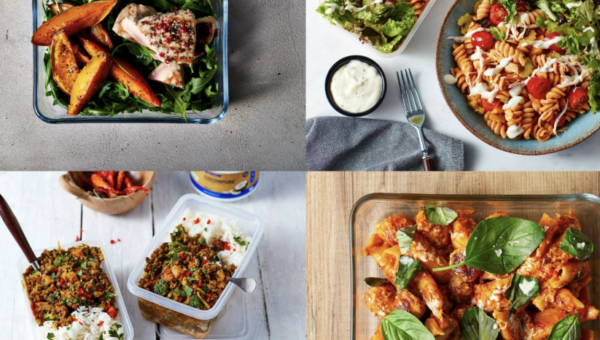
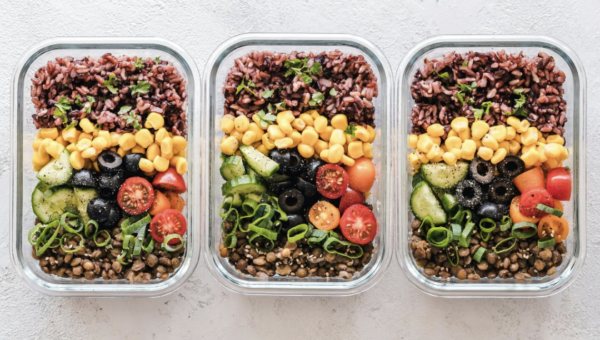
It also helps to choose meals built around familiar ingredients. There is no need to create a new menu every week. Repeating a few reliable recipes can make grocery shopping easier and reduce decision fatigue. Simple meals such as grilled chicken with rice and vegetables, overnight oats with fruit, pasta with lean protein, or grain bowls with beans and roasted vegetables are practical choices. These meals are flexible, easy to store, and easy to adjust based on what you already have at home.
One smart meal prep method is to prepare ingredients instead of fully cooked meals. For example, washing greens, cutting vegetables, cooking a batch of rice, and preparing a protein source ahead of time can make daily cooking much faster. This gives you variety without needing to start from zero each day. You can turn the same ingredients into a salad, wrap, bowl, or simple dinner plate depending on what you feel like eating.
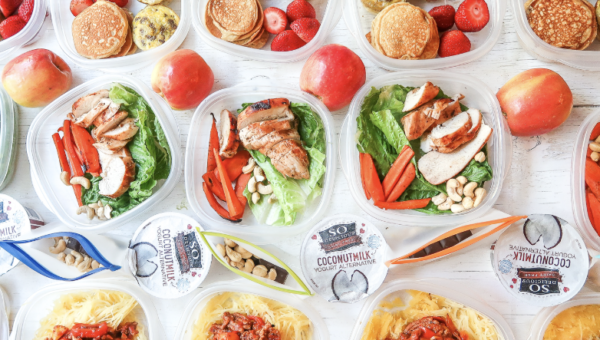
Another helpful idea is to keep breakfast easy. Morning routines often feel rushed, so having ready-to-go options can make a big difference. Yogurt with fruit, boiled eggs, overnight oats, or smoothie ingredients packed in advance can save valuable time. When breakfast is simple and prepared, the whole day can begin in a calmer way.
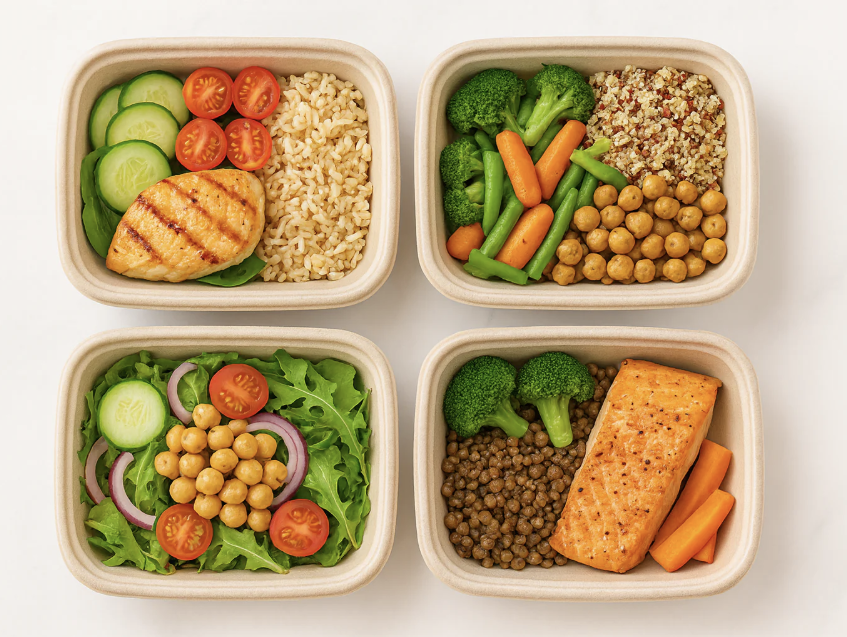
Lunch is another meal where prep can reduce stress. Many people skip lunch planning and then end up grabbing whatever is available. A prepared lunch can help you feel more focused and steady through the afternoon. It does not need to be complicated. A container with protein, vegetables, and a filling base such as rice, quinoa, or sweet potatoes can work well. Sandwiches, wraps, and pasta salads also travel easily and can be made in batches.
Dinner planning matters just as much, especially after a long day. When dinner is undecided, stress can build quickly. Having two or three dinner options ready can make evenings much smoother. This could mean fully cooked meals stored in containers, or it could mean having prepped ingredients that come together in fifteen minutes. A simple soup, stir-fry, baked dish, or sheet pan meal can be enough to keep dinner easy without making it feel repetitive.
Storage is an important part of successful meal prep. Clear containers help you see what is ready to eat, which can make healthy choices more convenient. Labeling meals with the day or content can also help reduce confusion later in the week. Keeping the fridge organized makes prep more useful because you are more likely to eat what you prepared.
It is also worth remembering that flexibility is part of a healthy routine. A meal prep plan should support your life, not control it. Some weeks may go exactly as planned, while others may change suddenly. That is normal. If you do not eat every prepared meal exactly on schedule, the effort is still valuable. The point is to reduce pressure, not create more of it.
Budget benefits often come with meal prep too. Planning meals before shopping makes it easier to buy only what you need. Using ingredients in multiple meals can stretch your grocery budget further. Roasted vegetables can go into lunch bowls, wraps, and dinners. Cooked chicken can become part of salads, sandwiches, or rice dishes. This kind of overlap saves both money and effort.
For beginners, the best approach is to start small. Choose just one meal to prep for a few days and build from there. You might begin with lunch for three days or a couple of easy breakfasts. Once that feels natural, add more. Small routines often last longer than big, ambitious plans that become overwhelming.
Healthy meal prep plans are really about creating support for yourself. They help you make food decisions ahead of time, when you are thinking clearly and not feeling rushed. That can lead to better balance, more consistency, and a more peaceful relationship with mealtime. Over time, even a simple prep habit can turn stressful days into smoother ones.
When meals are planned with care and kept realistic, eating well becomes less of a challenge and more of a steady routine. That is what makes meal prep so valuable. It is not about making life rigid. It is about making daily life feel lighter, easier, and less stressful, one prepared meal at a time.
If you want, I can also turn this into a more SEO-focused version with a stronger blog intro and conclusion.