Healthy Meal Prep Tips for Better Daily Eating

Healthy meal prep can make everyday eating feel calmer, easier, and more balanced. For many people, the hardest part of …
A good place to start is by thinking about your real schedule. Many meal plans fail because they look great on paper but do not match everyday life. Instead of preparing food for an ideal week, prepare for the week you are actually going to have. If your mornings are rushed, focus on easy breakfasts that can be grabbed quickly. If lunch is the meal that gets replaced by convenience food, make that your top priority. When meal prep fits your routine, it becomes easier to keep doing.
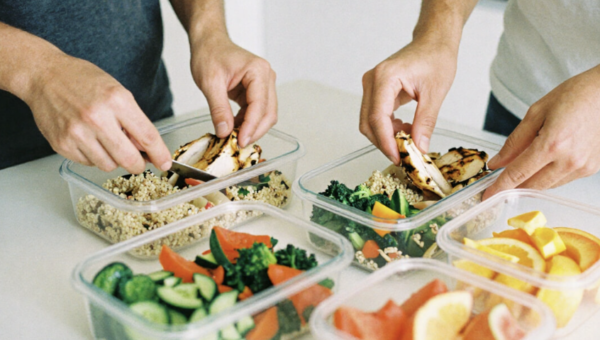
It also helps to keep your food choices realistic. You do not need to make seven different meals to have a successful prep routine. A small set of dependable foods can go a long way. Cook a protein you enjoy, prepare a grain or another hearty base, wash and cut a few vegetables, and keep a flavorful sauce or dressing ready. From those few pieces, you can build bowls, wraps, salads, and simple plates throughout the week. This keeps meals interesting without creating extra work.
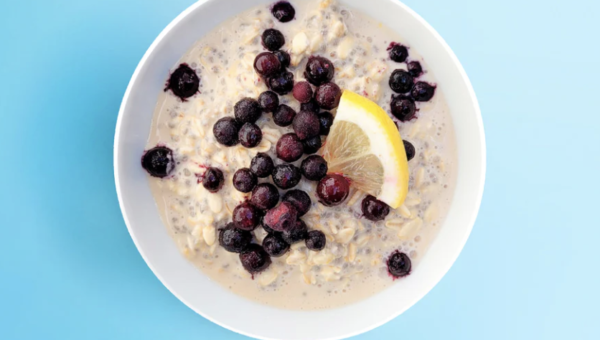
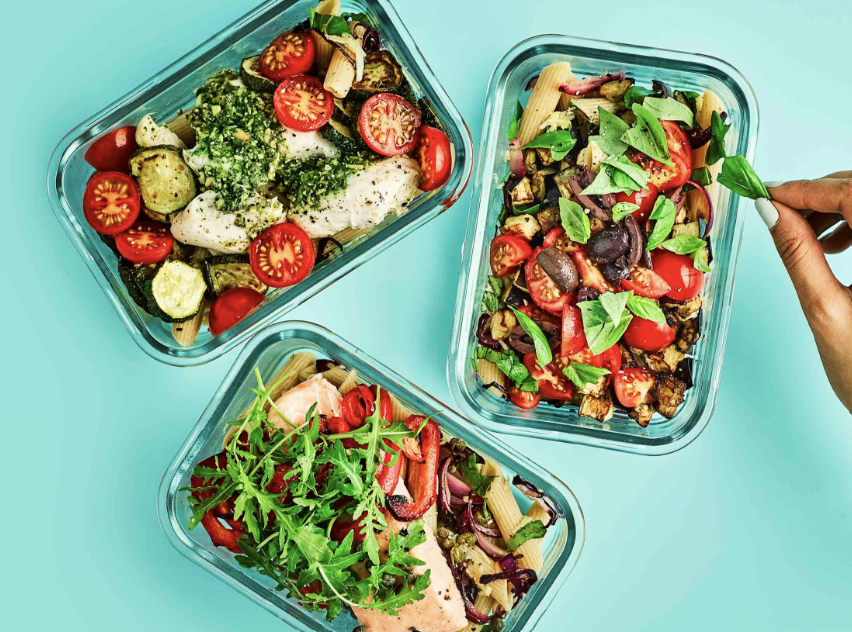
Another helpful tip is to choose foods that store well and still taste good later. Some meals lose their texture quickly, while others hold up beautifully in the refrigerator. Rice, roasted vegetables, grilled chicken, boiled eggs, beans, pasta, soups, and overnight oats are all good examples of foods that work well for prep. Fresh fruit, yogurt, nuts, and simple sandwiches can also fill gaps between larger meals. The goal is not perfection. The goal is to make the healthy choice feel easy when you need it most.
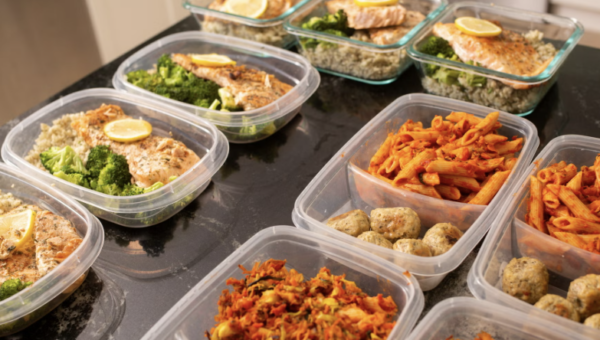
Portioning meals ahead of time can also improve daily eating habits. When food is already divided into containers, it becomes easier to build consistency. You are less likely to overthink your choices or eat too little during busy hours and then feel overly hungry later. Pre-portioned meals can be especially useful for lunch during the workday. They create structure without making eating feel strict or stressful. Having balanced portions of protein, fiber-rich carbohydrates, healthy fats, and vegetables can help support steadier energy and better focus.
One of the smartest meal prep habits is preparing ingredients instead of complete meals every single time. Full meals can be convenient, but ingredient prep offers more flexibility. You might cook chicken, roast sweet potatoes, wash spinach, and prepare a bean mixture on one day, then use them in different combinations later. This prevents boredom and makes it easier to adjust meals based on your appetite. Some days you may want a salad, while other days you may prefer a warm grain bowl. When ingredients are ready, both options take only a few minutes.
Flavor matters more than many people realize. Healthy daily eating becomes much easier when meals are enjoyable. Simple seasonings, fresh herbs, lemon juice, garlic, yogurt-based sauces, and light dressings can make repeated meals taste fresh and satisfying. It is worth spending a little time on flavor because people are more likely to stick with foods they genuinely like. Healthy meal prep should feel supportive, not like a chore filled with bland meals.
Storage is another important part of successful prep. Clear containers can make a big difference because you can easily see what is available. Labeling meals or ingredients with the day they were prepared can help you stay organized and reduce waste. Keeping the most ready-to-eat items at eye level in the refrigerator also makes them easier to choose. When washed fruit, chopped vegetables, or prepared meals are the first things you see, healthy eating becomes more automatic.
It is also useful to leave room for variety and small changes. A common mistake is trying to lock every meal into a rigid plan. Life rarely works that way. You may end up eating out once, having leftovers from dinner, or not feeling like the meal you packed. A flexible system works better than a perfect one. Think of meal prep as support, not pressure. Even preparing food for three or four days can be enough to improve your week.
Shopping with a loose plan can save time and money. Before going to the store, think about a few breakfast ideas, lunch options, snacks, and dinners. Choose ingredients that can work in more than one way. For example, cooked chicken can be added to wraps, rice bowls, salads, or pasta. Vegetables can go into egg dishes, grain bowls, or side plates. This kind of overlap keeps your grocery list simple and helps you use what you buy.
Healthy meal prep does not need to look impressive to be effective. A container of oatmeal, a box with rice and vegetables, or a simple salad with beans can be exactly what makes your day run better. Small steps often create the strongest routines. Start with one meal, one prep session, or one smart habit that feels manageable. Over time, those small actions can shape better daily eating in a way that feels natural and sustainable.
The best meal prep routine is the one you can repeat without stress. When food is ready, balanced, and easy to reach, healthier choices become part of everyday life. That is what makes meal prep so powerful. It turns good intentions into something practical, steady, and supportive for the days ahead.